Harper Washington · 20 September 2026
Uncovering Patterns in Access Log Data from Peer-Managed Online Platforms
Peer-managed online platforms generate access logs that record every request, connection attempt, and data exchange across distributed nodes, and researchers have long examined these records to reveal underlying usage structures. These logs capture timestamps, IP addresses, request types, and response codes while operating without centralized oversight, which creates both opportunities and challenges for pattern detection. Data analysts process terabytes of entries from platforms that range from file-sharing networks to collaborative content systems, and the resulting insights show how participants interact in environments where no single administrator controls the infrastructure.
Core Components of Log Data in Distributed Systems
Access logs from peer-managed platforms typically include fields such as source and destination addresses, session durations, file identifiers, and error rates, yet the decentralized nature means entries arrive from multiple independent nodes rather than a single server farm. Observers note that aggregation tools must reconcile differing time zones and log formats before any meaningful analysis begins, and studies from institutions like the University of Toronto have demonstrated how standardized parsing scripts improve accuracy across heterogeneous datasets. Traffic volume often spikes during evening hours in major regions, while geographic clustering appears in logs when users share similar content interests or regional resources.
Analytical Techniques Applied to Log Records
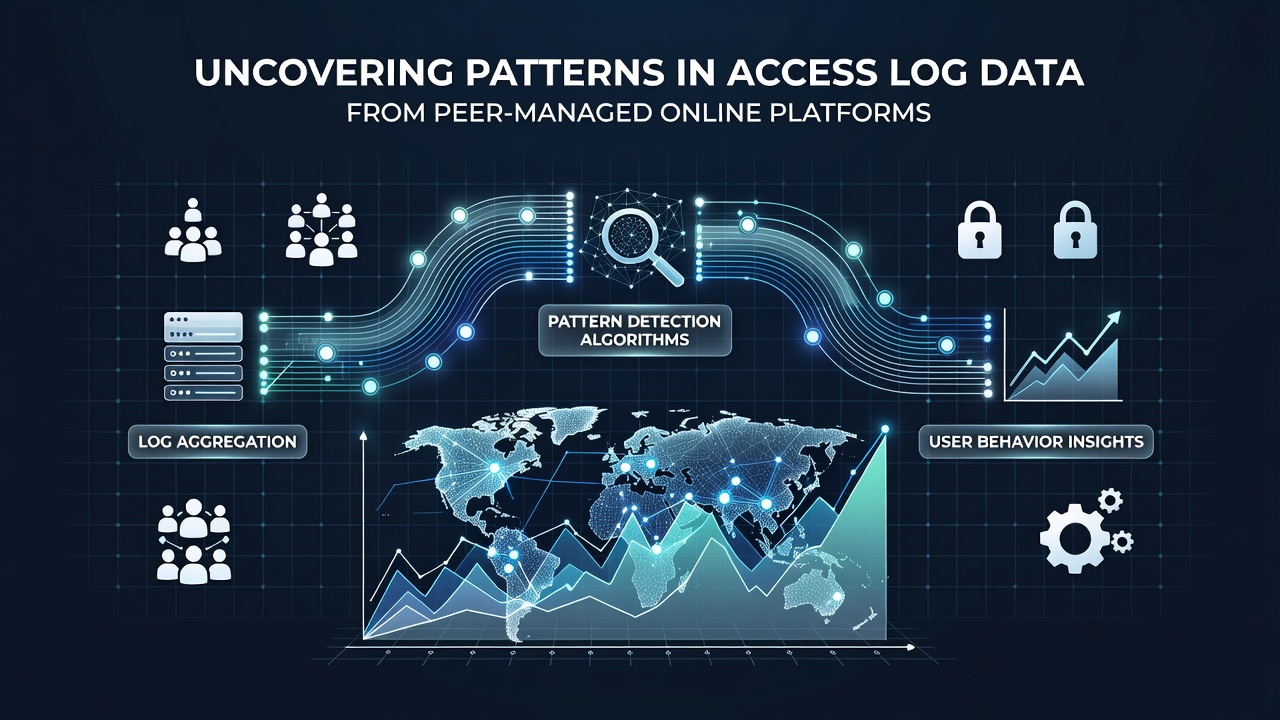
Statistical methods and machine learning models extract recurring sequences from these logs, including frequent request chains that indicate content popularity cycles or coordinated user activity. Researchers apply clustering algorithms to group sessions by duration and data volume, which reveals distinct behavioral categories such as short-term browsers versus long-term contributors. Time-series analysis further identifies weekly rhythms, and evidence from multiple studies shows that certain platforms experience predictable surges tied to global events or content releases. Anomaly detection routines flag unusual spikes in failed connections, which can point to network partitions or external interference without requiring manual review of every entry.
Observed Patterns Across Platform Types
One documented pattern involves repeated access to the same resource identifiers from rotating node addresses, suggesting users rely on proxy-like behaviors to maintain availability. Another common finding appears in the distribution of request methods, where GET operations dominate while POST activity clusters around specific hours when collaborative updates occur. Data from Canadian digital economy reports indicates that peer-managed platforms handling media files show higher average session lengths compared with text-based discussion systems, and similar observations emerge when logs are segmented by content category. September 2026 saw increased documentation of these rhythms as more open-source analysis frameworks became publicly available, allowing smaller research teams to replicate earlier large-scale findings.

Security-related patterns also surface regularly, particularly sequences of rapid connection attempts followed by successful authentications that point to automated node discovery processes. Those who have examined logs across multiple years report that certain platforms exhibit stable daily user counts despite high node churn, which implies effective reputation or incentive mechanisms at work. Geographic heat maps derived from IP data further illustrate concentration in urban centers during weekdays, shifting toward broader regional spread on weekends.
Integration with External Data Sources
Cross-referencing log patterns with public datasets enhances interpretation, and analysts frequently combine access records with metadata from content indexes or user-generated tags. Australian Bureau of Statistics reports on digital platform usage provide context for interpreting regional traffic variations, while academic repositories supply benchmark datasets for validating new detection methods. Such integration helps distinguish platform-specific behaviors from broader internet trends, and figures from these combined sources reveal that peer-managed systems often sustain higher resilience during peak load periods than anticipated.
Conclusion
Pattern detection in access log data from peer-managed platforms continues to yield actionable information about user dynamics, resource distribution, and operational stability. Continued refinement of analytical tools and broader access to anonymized datasets should support further discoveries in this area as platform architectures evolve.